
The Real Cost of Missing Medical Appointments
Learn why missed appointments create gaps in care, how transportation causes the problem, and why reliable medical rides help patients stay consistent with treatment.

Most people know when to call an ambulance. That part is clear. But what about everything in between?
You may not be in an emergency situation, yet:
This is where many patients—and caregivers—start to struggle. The need is real, but the solution isn’t always obvious, notably when transportation becomes a barrier to accessing care in the first place.
Non-emergency medical transportation (NEMT) exists for situations where patients need more than just a ride—but less than emergency care.
It’s designed to provide structured support through professional medical transportation services like:
This makes it especially valuable for people whose health or circumstances make standard transportation difficult.
Patients attending dialysis, chemotherapy, or physical therapy often need transportation multiple times a week. In these cases, consistency is critical.
Missing even one appointment can disrupt progress. Missing several can lead to serious complications. When transportation isn’t reliable, staying consistent becomes difficult.
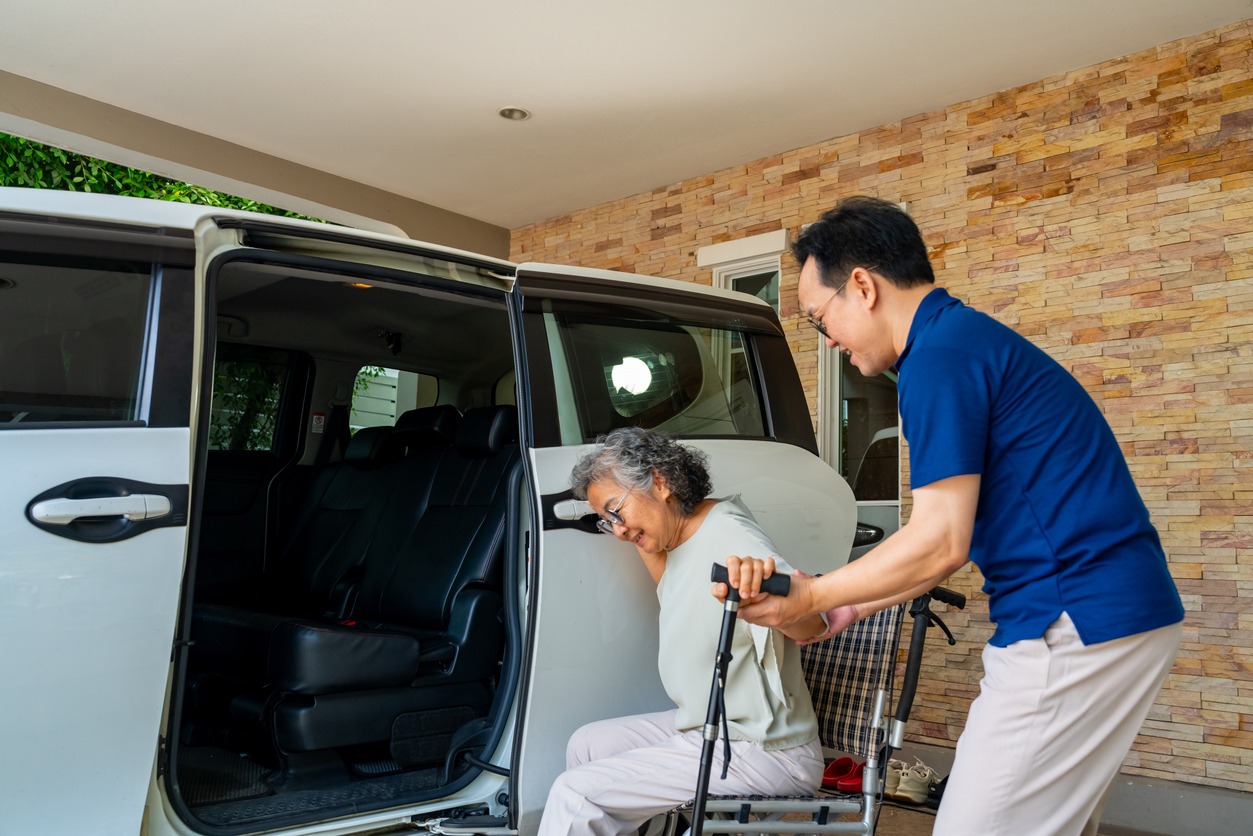
After surgery or certain treatments, patients may technically be able to move—but not safely enough to drive or travel alone.
Fatigue, medication, and limited strength can all make even a short trip feel overwhelming. In these situations, having structured support makes a significant difference.
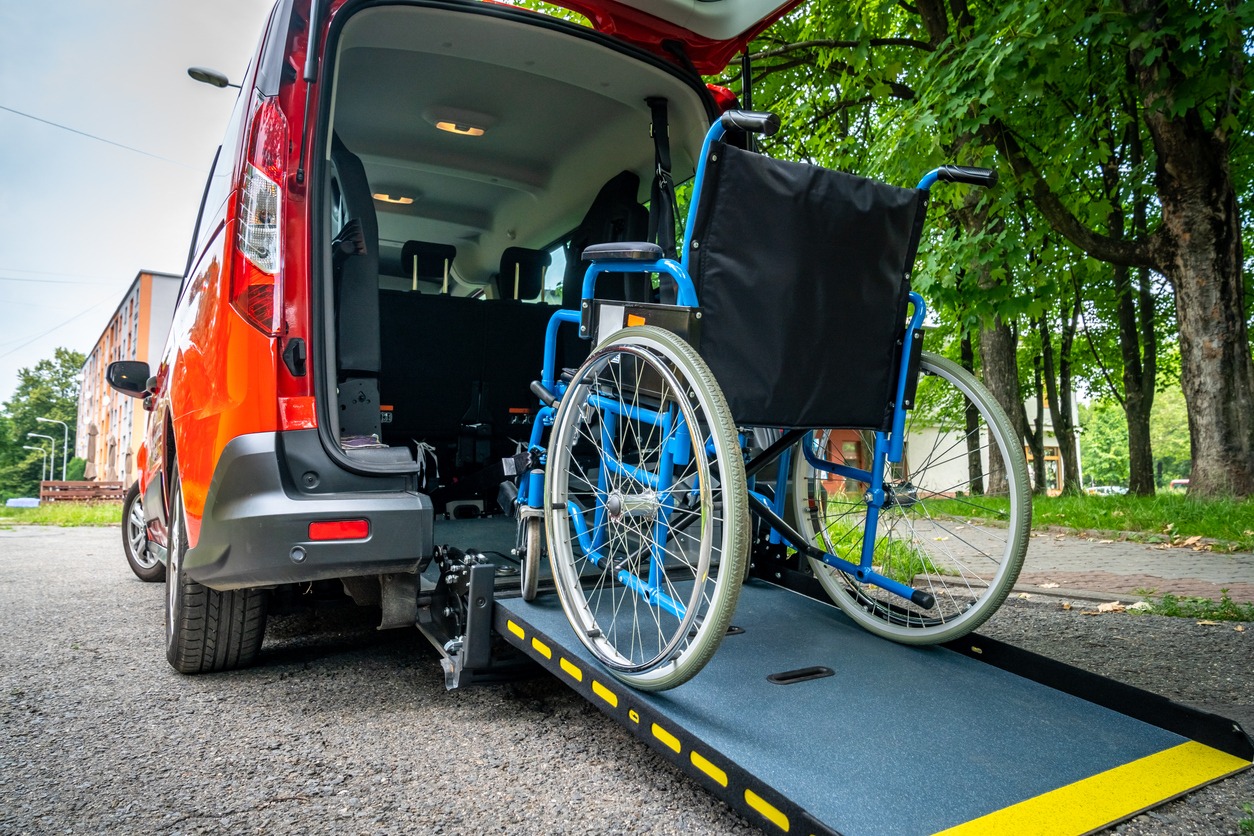
For patients who use wheelchairs or have limited mobility, transportation isn’t just about distance—it’s about accessibility.
Standard vehicles aren’t designed for safe transfers or secure positioning. Without the right setup, even getting into a car can become a barrier.
In Riverside County, this is more common than people expect.
Long distances between cities, limited public transportation, and unpredictable schedules make it difficult to depend on traditional options. Many patients rely on family members, but that support isn’t always consistent.
Caregivers frequently take on the task of coordinating and providing transportation. This means balancing appointments with work, family, and other responsibilities.
Over time, this creates pressure. Even with the best intentions, it’s not always sustainable.
When transportation is handled by a reliable service, caregivers gain something valuable: stability.
Instead of constantly adjusting schedules, they can rely on a system that works consistently, backed by a team experienced in patient transportation. That shift reduces stress for both the caregiver and the patient.
Most patients don’t start using NEMT immediately. They wait until transportation becomes a clear issue.
Common signs include:
If transportation has become unpredictable, it’s already affecting care, and understanding what a typical NEMT ride looks like can help remove hesitation.
Many people try to “manage for now,” assuming things will stay under control.
But over time, missed rides turn into missed appointments, and missed appointments turn into inconsistent care, leading to bigger health consequences over time. What could have been solved early becomes a bigger issue later.
Starting sooner creates stability and prevents that cycle.
When transportation is reliable, patients no longer have to worry about whether they’ll make it to their appointment.
Everything becomes more structured. Timing is clear. Expectations are set. The process feels manageable instead of overwhelming.
Regular attendance allows treatment plans to stay on track. Doctors can monitor progress properly, and patients are more likely to see results.
Transportation may seem like a small detail, but it plays a major role in overall care.
In a large area like Riverside County, travel is rarely simple. Patients often need to move between cities for specialized care, and those distances add complexity.
Without reliable transportation, maintaining consistency becomes much more difficult.
Non-emergency medical transportation isn’t something you wait to use when things get worse. It’s something you use to prevent problems from happening in the first place.
When transportation is handled properly, everything else becomes easier to manage when you’re ready to arrange transportation that fits your needs.